
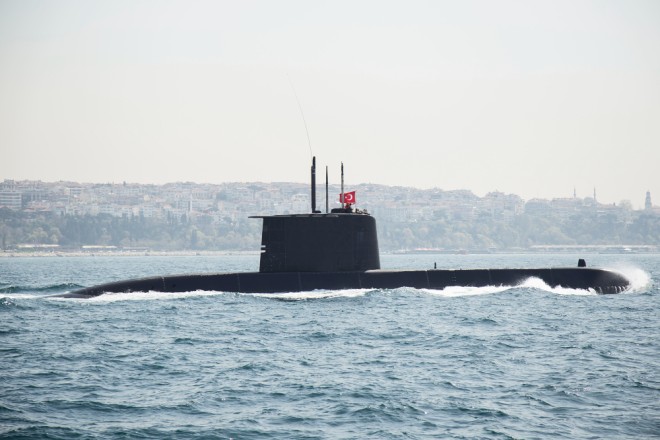
In a pivotal move for its military future, Canada is set to reveal the chosen supplier for its ambitious submarine procurement project, which aims to acquire up to 12 new submarines. This venture stands as one of the most significant defense acquisitions in Canadian history, with a price tag of tens of billions of dollars. The decision has come down to a tight competition between two major international players: Hanwha from South Korea and Germany’s ThyssenKrupp Marine Systems (TKMS).
The selection process has garnered considerable attention, not just for the technical prowess of the submarines but also for the strategic and economic implications involved. Hanwha has been proactive in its approach, launching a comprehensive advertising campaign across Canada to promote its KSS-III submarine. The company has underscored its capability to deliver the submarines swiftly and has pledged substantial economic investments and industrial collaborations within Canada. The KSS-III is designed with a larger capacity and includes advanced features like vertical launch systems capable of deploying ballistic or cruise missiles.
Conversely, TKMS has leveraged its extensive history of supplying conventional submarines to NATO countries as a cornerstone of its bid. The German firm’s 212CD submarine is lauded for its cutting-edge stealth technology and the added advantage of interoperability with NATO partners, notably Germany and Norway, which have also opted for this model. This strategic compatibility is a critical factor given Canada’s longstanding alliances.
Defense experts suggest that the contest remains exceptionally competitive, with both contenders presenting compelling cases that go beyond mere submarine performance. As Ottawa approaches its decision, factors such as industrial investment, job creation, alliance implications, and the potential for long-term partnerships are likely to weigh heavily in the final choice. The procurement process, noted for its accelerated timelines and emphasis on economic returns alongside defense needs, reflects a broader strategic vision.
The outcome of this procurement will not only shape the future of Canada’s naval capabilities but also signal the country’s strategic and economic orientations on the global stage. As the decision looms, both Hanwha and TKMS remain in a tight race, each bringing distinct advantages that could influence Canada’s defense landscape for years to come.