
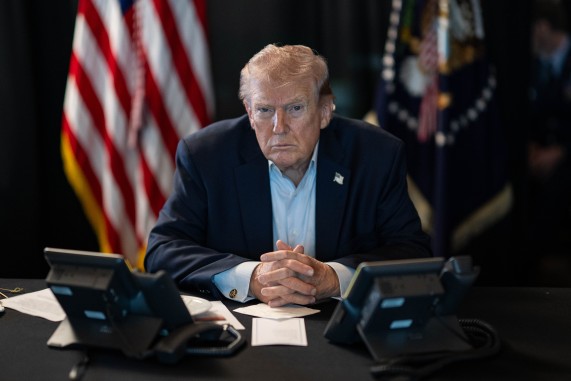
Amid rising tensions over digital services taxes, US President Donald Trump has issued a stark warning to several European nations, threatening to impose a 100% import tariff on countries that enact such measures targeting American tech giants. Trump highlighted that several European countries are contemplating these taxes, and he made it clear that any nation implementing them would face immediate repercussions in the form of trade penalties. He indicated that these tariffs would be comprehensive, affecting all goods entering the United States and potentially overriding existing trade agreements.
The core of the dispute revolves around digital taxes that have been introduced or proposed by countries such as France, Spain, Italy, and the United Kingdom. These levies target large technology companies, particularly those operating significant online platforms and search engines, aiming to capture revenue from businesses that earn substantial profits from local digital markets. The move has been a point of contention as the US perceives the taxes as discriminatory against its tech companies.
European officials, however, have staunchly defended their digital tax regimes, asserting that these policies are applied equally to all large companies, irrespective of their national origins. They argue that the taxes are a fair way to ensure that companies pay their share of taxes in the markets where they operate and generate income. In response to Trump’s tariff threat, European leaders have warned that any unilateral trade actions by the US could provoke a robust counteraction from the European Union.
This latest development exacerbates the already complex trade negotiations between the US and the EU, as both sides continue to work towards a more comprehensive trade agreement. Digital taxation remains a significant sticking point in these discussions, contributing to the ongoing tension between Washington and European capitals. The potential for a trade war looms, as both parties prepare for the possibility of escalating economic confrontations if the digital tax issue remains unresolved.