
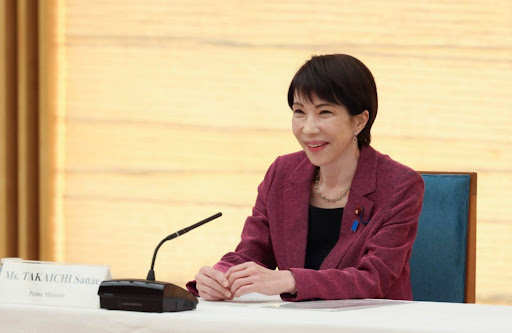
Japan’s government is scrambling to head off a potential supply crunch, announcing the biggest-ever release from national oil reserves — 80 million barrels to domestic refiners from Thursday — as the US-Israel conflict with Iran continues to disrupt the flow of crude through the Strait of Hormuz. Prime Minister Sanae Takaichi confirmed the deployment in a statement on X, framing it as a necessary and proportionate response to a crisis that directly threatens Japan’s economic wellbeing. The country imports over 90% of its crude oil from the Middle East, and officials are leaving nothing to chance.
The scale of the release — 45 days of national consumption, 1.8 times the previous record set after Fukushima in 2011 — reflects both the severity of the current threat and the strength of Japan’s reserve position. Japan held approximately 470 million barrels in total reserves at year-end, representing about 254 days of domestic consumption. This stockpile gives the government the tools to act decisively without endangering the country’s longer-term energy security.
Alongside the state reserve release, private-sector petroleum reserves equivalent to 15 days of supply had already been approved for release by the government in the preceding week. This layered approach ensures that multiple supply channels are being activated simultaneously, maximizing the cushioning effect on Japan’s oil market. Energy officials say they are monitoring supply conditions daily and are prepared to take additional action if needed.
Fuel subsidies have been introduced to cap gasoline prices at approximately ¥170 per litre, following a run-up to a record ¥190.8. These will be reviewed on a weekly basis, with adjustments made as warranted. The government is clearly determined to prevent the global oil crisis from becoming an unmanageable domestic economic problem.
On the diplomatic front, Japan is pursuing an active but strictly non-military strategy, with Takaichi committed to working through multilateral channels to promote stability in the Middle East. She declined Trump’s call for naval support at Hormuz, citing Japan’s constitution, but has pledged vigorous diplomatic efforts in coordination with regional and international partners. Japan’s steady, principled approach to this multifaceted crisis sets a model for how resource-dependent nations can manage energy shocks without abandoning their values.