
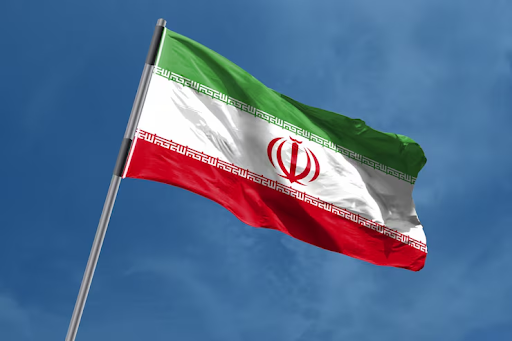
Iran’s Foreign Minister Abbas Araghchi placed himself at the centre of the diplomatic controversy on Wednesday, confirming that his country had received the US ceasefire proposal through Pakistani intermediaries but stating clearly that Iran had “no intention of negotiating for now.” The statement was carefully worded, leaving open the possibility of future talks while shutting down any expectation of an imminent breakthrough. It reflected a government managing both an active war and intense domestic political pressures.
Araghchi’s statement came as Pakistan had delivered a 15-point US peace proposal to Tehran, covering nuclear disarmament, missile restrictions, sanctions relief, and the Strait of Hormuz. These were conditions Iran had previously rejected in pre-war negotiations and that the Iranian government continued to view as unacceptable. Tehran’s counter-proposal of five points — emphasising sovereignty, security, and reparations — suggested a very different negotiating agenda.
The foreign minister’s words were in direct tension with the picture painted by the Trump administration. The White House insisted discussions were ongoing and productive, and Trump personally claimed at a Washington fundraiser that Iranian leaders were “negotiating” despite their public denials. The contradiction between Washington’s account and Tehran’s public statements made it genuinely difficult for outside observers to assess the true state of behind-the-scenes communications.
Araghchi himself had navigated treacherous terrain throughout the conflict. The deaths of multiple senior Iranian officials — including more moderate voices — had reshaped the internal balance of power in Tehran in ways that complicated diplomacy. Being seen as too accommodating of American demands carried personal and professional risks in the current climate. The “no intention for now” formulation was almost certainly the product of careful calculation rather than casual dismissal.
The broader context made his position somewhat understandable from Iran’s perspective. Tehran had twice before found itself under attack during active negotiations with the US, and key negotiating partners had been killed by Israeli and American strikes. Against this backdrop, proceeding cautiously before engaging in formal talks was a rational response, even if it prolonged a conflict that was causing enormous damage to Iran and the wider region.