
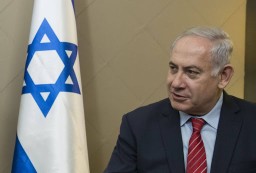
In one of his most colorful and combative moments of Friday’s press conference, Israeli Prime Minister Benjamin Netanyahu challenged reporters by asking whether anyone genuinely believed Israel could tell Donald Trump what to do. He denied that Israel had dragged the United States into the conflict with Iran, calling such narratives fictional. Netanyahu also announced that Iran had lost its ability to enrich uranium and produce ballistic missiles after twenty days of fighting.
Netanyahu described the Trump-Israel alliance with admiration and candor. He called it the most tightly coordinated partnership between two world leaders he had witnessed, while framing Trump as the senior figure in the relationship. Netanyahu went further, revealing that Trump had educated him on aspects of the Iranian nuclear threat rather than receiving briefings, underscoring the depth and independence of Trump’s strategic understanding.
The prime minister confirmed that Israel struck the South Pars gas complex independently and acknowledged Trump’s request to pause additional strikes on Iranian gas facilities. He handled the disclosure gracefully, presenting it as evidence of the depth and openness of the two leaders’ communication. Netanyahu made clear that Israel’s military autonomy had not been sacrificed in the process of maintaining such close coordination.
Netanyahu dismissed Iran’s threats to close the Strait of Hormuz as global blackmail that would inevitably fail. He proposed alternative pipeline routes from the Gulf through the Arabian Peninsula to Israeli and Mediterranean port facilities. This infrastructure plan, he argued, would transform the region’s energy architecture and neutralize Iran’s leverage over global shipping lanes.
Netanyahu ended by noting the visible disarray within Iran’s new leadership. He said he did not know who was running Iran and pointed to the new supreme leader’s continued absence from public view. The internal tensions within Tehran’s ruling class, combined with military losses, led Netanyahu to believe the conflict would reach its conclusion sooner than most analysts expected.