
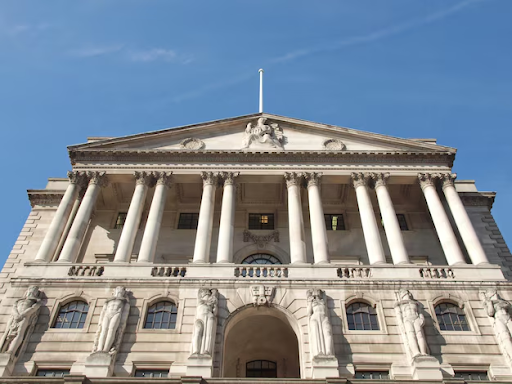
The Bank of England has held interest rates unchanged at 3.75%, with policymakers highlighting that April will mark a crucial month as government budget measures take effect. These policies are expected to significantly impact both inflation and the economic outlook.
The monetary policy committee’s 5-4 vote to maintain rates reflects anticipation of the April policy changes. Four members believed conditions already warranted easing, while five preferred to wait and see the actual impact of measures like utility bill cuts and rail fare freezes coming into force.
Chancellor Rachel Reeves’s budget package includes several measures taking effect in April that will directly reduce household costs. The utility bill cuts will immediately lower energy expenses for millions of households, while the rail fare freeze will prevent the usual spring increase in transport costs. These changes are expected to have a visible impact on inflation data.
Governor Andrew Bailey emphasized that inflation is expected to fall to around 2% by spring, which would coincide with these policy measures taking effect. He suggested that the combination of falling inflation and the April budget measures should create conditions for rate cuts later in the year.
The Bank’s forecast shows inflation declining from 3.4% in December to 2.1% by the second quarter of 2026, with much of this improvement driven by the April measures. Yael Selfin, chief economist at KPMG, specifically noted that energy price easing from April onwards is central to the downward inflation revision. Economic growth is projected at just 0.9% this year with unemployment reaching 5.3%. The April budget measures represent a crucial test of whether government policy can deliver the expected inflation reduction.
Bank of England Keeps Rates Steady at 3.75% as April Budget Measures Take Effect
Picture Credit: www.freepik.com
39