
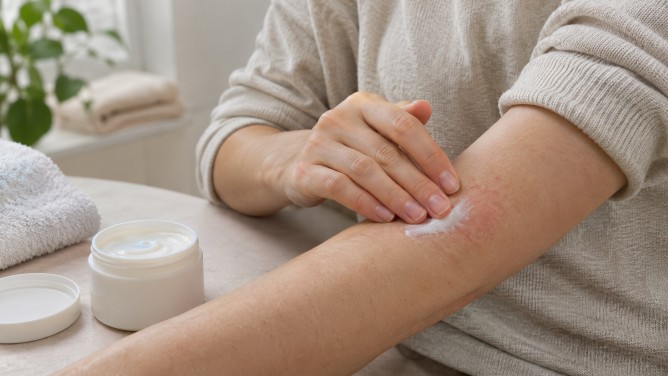
Eczema is a chronic skin condition characterized by inflammation, leading to persistent itching, redness, and irritation. Unlike ordinary dry skin, which generally improves with regular moisturization, eczema involves a compromised skin barrier that results in heightened sensitivity to environmental irritants and moisture loss. Although commonly diagnosed in children, adults can also suffer from this condition, which requires ongoing management to control flare-ups and improve quality of life.
The discomfort associated with eczema often stems from the intense itching that accompanies the condition. This is due to inflammation making the skin more sensitive, thereby triggering the itch-scratch cycle. Scratching the affected areas can further damage the skin barrier, inviting more irritants and potentially leading to infections. Over time, repeated scratching can cause the skin to thicken, becoming even more sensitive.
Several factors can exacerbate eczema, with triggers varying among individuals. Common triggers include environmental factors such as dust, pollution, and weather changes, as well as lifestyle factors like stress, poor sleep, and specific allergies. Harsh skincare products and excessive sweating can also aggravate the condition. Identifying personal triggers through careful observation and record-keeping can be crucial in managing eczema.
A consistent skincare routine is essential for managing eczema. Regular use of fragrance-free moisturizers, particularly after bathing, can help retain moisture. Gentle bathing practices, such as using lukewarm water and avoiding harsh soaps, are recommended. Wearing soft, breathable fabrics and maintaining a comfortable indoor environment can also reduce irritation. Keeping fingernails short minimizes damage from scratching.
In cases where skincare routines and lifestyle adjustments do not suffice, medical treatments may be necessary. Dermatologists might prescribe topical corticosteroids or non-steroid medications to reduce inflammation. In certain situations, antihistamines, antibiotics, or phototherapy might be recommended. Advanced treatments, such as biologic medicines, can be considered for severe cases. It is important to consult a healthcare professional for appropriate diagnosis and treatment recommendations.
While eczema can pose challenges, early diagnosis and a tailored management plan can significantly reduce symptoms. Individuals experiencing persistent symptoms that disrupt daily life, such as recurring itching, cracked or oozing skin, should seek medical advice. With the right combination of daily care and professional treatment, living with eczema can become more manageable.