
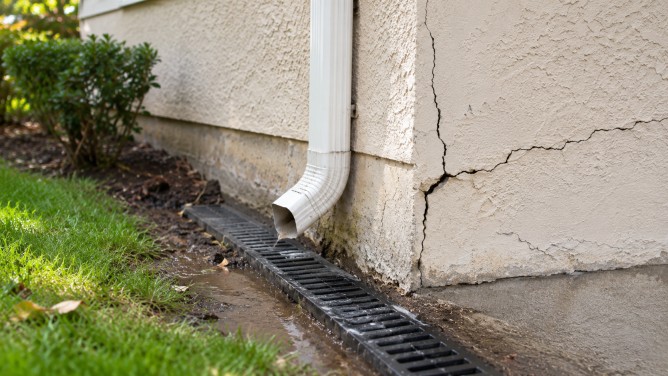
Ostanes Engineering has highlighted drainage issues as a significant factor in the investigation of recurring cracks within residential properties. Their recent structural inspection of a low-set brick veneer home focused on internal cracking, standing water, and saturated soil, which were identified as conditions needing further examination. The inspection was prompted by the property owner’s representative after a hallway crack reappeared following previous repairs.
During the inspection, which took place under rainy and cloudy conditions, Ostanes Engineering noted hairline cracks around window and door frames, a prominent hallway crack, gaps along cornices, and exposed slab edges. Despite these internal issues, no significant external brick wall cracking was observed. The accumulation of water around the building emerged as a critical observation, with surface water pooling beside the property and in various yard areas, leading to saturated ground conditions.
The engineering team identified inadequate surface drainage as the primary concern affecting the home’s structural serviceability. They speculated that moisture changes near the footing zone might contribute to seasonal ground movement and damage to internal finishes. However, the inspection did not confirm a specific ground movement mechanism, and the recurring hallway crack could not be diagnosed based solely on its visible width.
The assessment was limited to a visual inspection, with no excavation, footing exposure, level surveys, geotechnical investigations, plumbing tests, or removal of internal finishes conducted. Consequently, the visible symptoms observed during the inspection were not sufficient to establish the underlying cause of the structural issues. Recommendations from the report included hiring a licensed plumber or experienced drainage contractor to enhance surface water management and reviewing ground levels near exposed slab edges. Subsurface drainage was suggested if surface improvements were inadequate, and cosmetic repairs were advised only after addressing drainage concerns.
For the affected property, Ostanes Engineering recommended a period of observation lasting six to twelve months following drainage improvements before undertaking cosmetic repairs. They advised replacing the damaged hallway plasterboard section instead of applying another surface patch. The report suggested further engineering assessment if cracks widened, reopened, or appeared elsewhere, especially if accompanied by sticking doors or visible building distortion.
Homeowners and property managers can access Ostanes Engineering’s structural crack and movement inspection services through their website, where they can submit property details, dated photographs, previous reports, and a history of the issue to help determine an appropriate inspection scope.
About Ostanes Engineering
Ostanes Engineering provides structural inspections, pre-purchase assessments, crack and movement investigations, and forensic and dispute reporting across Brisbane and South East Queensland.
Media enquiries and inspection requests: Ostanes Engineering
Derafsh Pty Ltd
Ostanes Engineering
+61 411 631 777
[email protected]
Legal Disclaimer:
The information contained in this article has been provided by independent third-party contributors, clients, or content partners. We do not independently verify the accuracy, completeness, legality, ownership, licensing, or reliability of submitted content, including text, images, videos, trademarks, or other media materials. The submitting party is solely responsible for ensuring that all content, including images and media assets, complies with applicable copyright, trademark, licensing, and intellectual property laws. We disclaim liability for any unauthorized use of copyrighted or proprietary materials by third parties. If you believe that any content published on this platform infringes your intellectual property rights, kindly contact the author above for prompt review and resolution.