
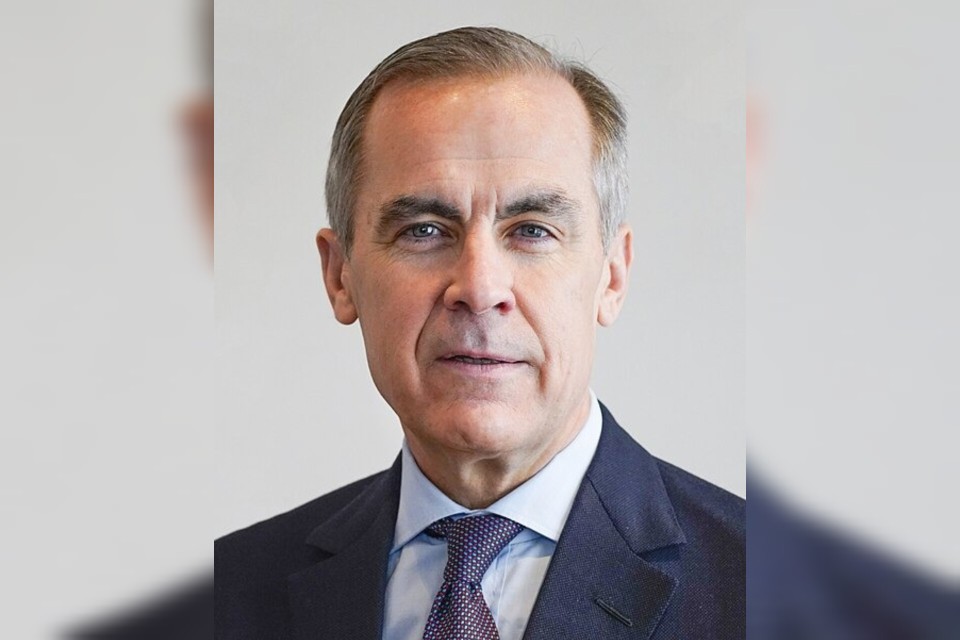
In a move to recalibrate Canada’s approach to carbon pricing, Prime Minister Mark Carney has initiated talks with British Columbia’s Premier, David Eby, to potentially lower the federal carbon pricing benchmark. This effort aims to align it more closely with a recently unveiled framework by Alberta. The discussions, taking place in Vancouver, seek to harmonize the country’s carbon pricing system while ensuring a balance between economic growth and environmental stewardship.
Carney’s meeting with Eby follows an agreement with Alberta’s Premier, Danielle Smith, which outlines a new carbon pricing trajectory for Alberta. This pathway would see the province’s carbon price rise to $130 per tonne by 2040, falling short of the current federal target set at $170 per tonne by 2030. The federal government plans to consult with provinces and territories to create a more predictable and unified national system.
Premier Eby has underscored British Columbia’s commitment to economic development but insists that environmental safeguards must be a crucial component of any future agreements. He particularly stressed this point in light of proposals for a new oil pipeline to the West Coast. Eby reaffirmed the province’s support for the existing North Coast tanker ban and advocated for greater provincial participation in federal energy discussions.
Addressing the prospects of future pipeline projects, Carney emphasized that any development would need to deliver substantial economic benefits for the residents of British Columbia. Moreover, he highlighted the importance of thorough consultations with Indigenous communities, ensuring opportunities for partnerships and potential co-ownership.
Carney also pointed to the necessity of expanding the Port of Vancouver as part of Canada’s strategy to boost exports to Asian markets and lessen reliance on trade with the United States. He asserted that future infrastructure and energy initiatives would advance through collaboration among governments, First Nations, and industry stakeholders. Both Carney and Eby suggested that additional major projects could be on the horizon for British Columbia, aligning with the federal government’s expansive infrastructure and trade objectives.