
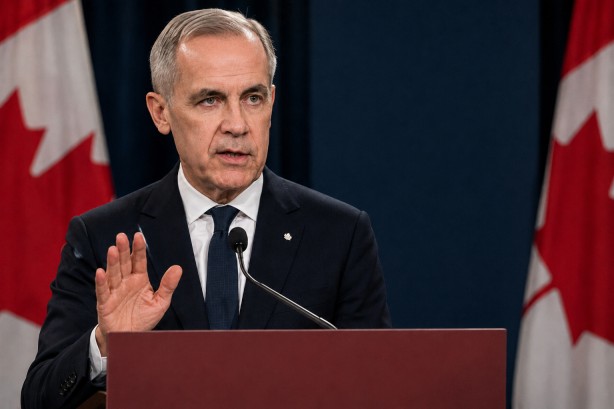
In a recent development, Canadian Prime Minister Mark Carney has firmly rejected a proposed trade agreement from the United States, citing concerns over the potential weakening of French language protections. The rejection follows the breakdown of trade discussions between the two nations. Carney emphasized that the preservation of the French language in Quebec is fundamental to Canada’s rights and national identity, dismissing US negotiators’ views that certain French-language requirements could be seen as trade barriers.
This dispute arises in the context of new US tariffs that have been imposed on Canadian goods, impacting approximately 5% of Canada’s exports to the United States. In response, Canada is set to implement retaliatory measures, expected to take effect in early September. The province of Quebec, known for its stringent language laws mandating the use of French in areas such as product labeling and media services, has shown support for Carney’s stance. Provincial leaders have praised the decision to halt negotiations, emphasizing the importance of safeguarding French language and cultural heritage.
US President Donald Trump has continued to express criticism toward Canada’s trade policies, with threats of additional tariffs targeting vehicles, auto parts, and steel. However, US Trade Representative Jamieson Greer has countered claims that the negotiations were directly linked to French-language protections. According to Greer, the primary issues at stake were requirements affecting streaming services and the promotion of Canadian content.
The impasse has further strained trade relations between the two neighboring countries, with both sides bracing for the potential economic fallout from ongoing tensions. As the situation unfolds, it underscores the complexities involved in balancing trade objectives with cultural and national interests, a challenge that both Canada and the United States continue to navigate in their longstanding partnership.