
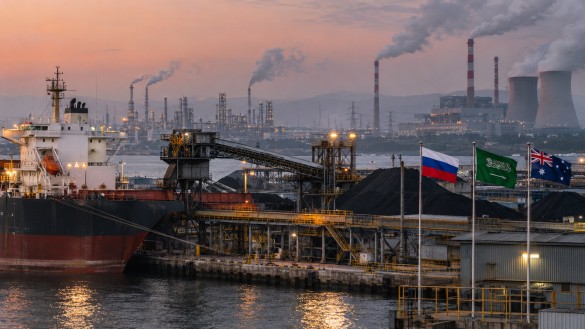
A new analysis has identified Russia, Saudi Arabia, and Australia as the largest historical exporters of carbon dioxide emissions through fossil fuel exports. This study, which examines coal, oil, and gas trade since 1850, shifts the focus from where fossil fuels are burned to where they are extracted and exported. Russia leads this ranking, with over 70 gigatonnes of CO2 emissions attributed to its fossil fuel exports up to the end of 2025. Following closely is Saudi Arabia with about 60 gigatonnes, and Australia with more than 25 gigatonnes.
This assessment underscores the significant role of fossil fuel-exporting nations in contributing to global warming, highlighting their responsibility beyond domestic emissions. Unlike conventional methods that measure emissions at the point of combustion, this approach credits the emissions to the exporting countries, sparking a debate on climate accountability.
Australia’s involvement is particularly notable as it hosts the United Nations climate summit, COP31, in Türkiye this year. Despite its active role in international climate discussions, fossil fuels remain a substantial part of Australia’s economy, comprising approximately 40% of its exports. The country has yet to announce a concrete timeline for phasing out fossil fuel exports, drawing criticism from climate experts. They warn that ongoing expansion of coal and gas projects could persist for decades, posing a threat to global climate goals.
The analysis also fuels the broader conversation about financial responsibility in addressing climate change. Environmental groups are urging major fossil fuel producers to increase their contributions towards mitigating climate damage and facilitating a shift towards renewable energy sources. Meanwhile, Saudi Arabia contests the attribution of emissions solely to exporters, arguing that importing countries should share responsibility based on their management of these fuels and the resulting emissions.
These findings have reignited calls for stronger international commitments to reduce reliance on fossil fuels and expedite the transition to sustainable energy solutions. The debate continues over how to balance economic interests with the urgent need for climate action, as the world grapples with the consequences of historical and ongoing fossil fuel consumption.