
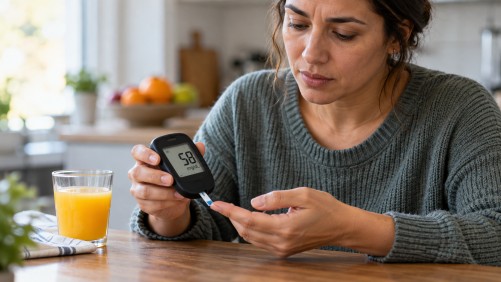
Managing diabetes involves more than just monitoring high blood sugar; low blood sugar, or hypoglycemia, can pose significant health risks. This condition is particularly concerning for individuals taking certain diabetes medications and necessitates prompt action when it occurs.
Hypoglycemia is generally defined as having blood glucose levels below 70 mg/dL. Symptoms of low blood sugar include sweating, trembling, hunger, dizziness, weakness, irritability, rapid heartbeat, blurred vision, and difficulty concentrating. In more severe cases, individuals may experience confusion, seizures, or even loss of consciousness.
Several factors can cause blood sugar to drop suddenly. Skipping meals, increasing physical activity, consuming alcohol, or adjusting diabetes medications can all contribute to hypoglycemia. Additionally, vomiting or changes in kidney or liver function may elevate the risk. Older adults and those with specific underlying health conditions are more susceptible to complications from low blood sugar, making regular monitoring and consultation with healthcare providers crucial.
In the event of low blood sugar, the 15-15 rule is a commonly recommended approach. This involves consuming about 15 grams of fast-acting carbohydrates and rechecking blood glucose after 15 minutes. If levels remain low, the process should be repeated. Once blood sugar stabilizes, consuming a meal or a source of longer-acting carbohydrates can help prevent further drops. However, if an individual is unconscious, having a seizure, or unable to swallow safely, immediate medical assistance is necessary.
Effective diabetes management extends beyond just glucose readings. It also requires careful attention to meal timings, exercise routines, medication schedules, and overall health changes. Those who frequently experience hypoglycemic episodes should work closely with their healthcare providers to adjust their treatment plans safely. Keeping detailed records of medications and low blood sugar occurrences can help identify triggers and make necessary adjustments.
Ultimately, the goal of diabetes care is to achieve balanced glucose control without risking dangerously low levels. Understanding the early signs of hypoglycemia, adhering to medication instructions, maintaining regular meals, and knowing how to respond to a hypoglycemic episode are all vital components of safe diabetes management. Individuals experiencing consistent or severe hypoglycemia should seek medical advice to review and possibly revise their treatment strategy.