
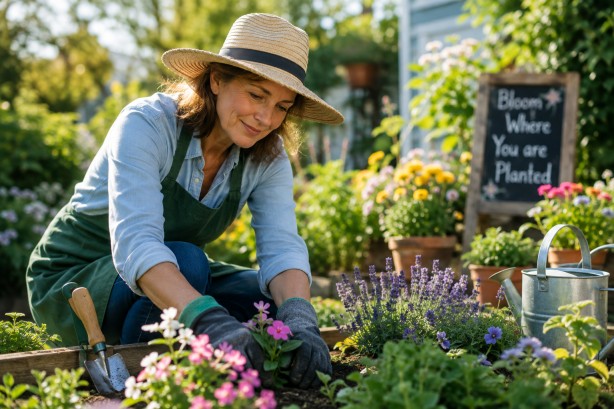
Gardening is often viewed as more than just a peaceful pastime; it has the potential to significantly enhance personal well-being. By engaging in regular gardening activities, individuals can enjoy the combined benefits of physical exercise, outdoor exposure, sensory engagement, and a deeper connection with nature. These elements collectively contribute to improved health, both mentally and physically.
Numerous studies have highlighted the positive effects of gardening on cognitive health. The activity involves various movements, planning, and sensory interactions. When gardeners select plants, adhere to care routines, and work with soil, they stimulate their minds regularly. This practice is associated with improved cognitive function, likely due to the integration of physical activity with mental engagement and mood enhancement.
Gardening also serves as an effective stress-reliever. The presence of greenery creates a soothing atmosphere that can alleviate stress. Activities such as watering, planting, and pruning, or simply being in nature, provide respite from daily stressors. Reduced stress levels are linked to better health, making gardening a beneficial component of a well-rounded lifestyle.
Moreover, gardening promotes physical activity in a practical manner. Tasks like digging, planting, and carrying soil engage various muscle groups, encouraging more movement throughout the day. For those with sedentary lifestyles, gardening offers a meaningful way to increase physical activity. Additionally, spending time outdoors while gardening allows for exposure to sunlight, which aids in vitamin D production, benefiting bone health and immune function. However, it is crucial to balance sun exposure with proper protection.
Over time, these gardening activities can support long-term health. The combination of physical activity, stress reduction, and outdoor engagement contributes to healthier aging. Research indicates that gardening is linked to better cardiovascular health and lower risks of certain lifestyle-related conditions, particularly among older adults. While it cannot ensure a longer life alone, incorporating gardening into a daily routine promotes a healthier, more active lifestyle.